Specialist Care
Women’s Health
Improving Women's Health Naturally Through Every Stage of Life
Women’s health is influenced by a complex interaction of hormones, physical health, emotional wellbeing, lifestyle, and life stage. From the first menstrual cycle through to menopause and beyond, changes within the body can sometimes lead to symptoms that affect quality of life, confidence, and overall wellbeing.
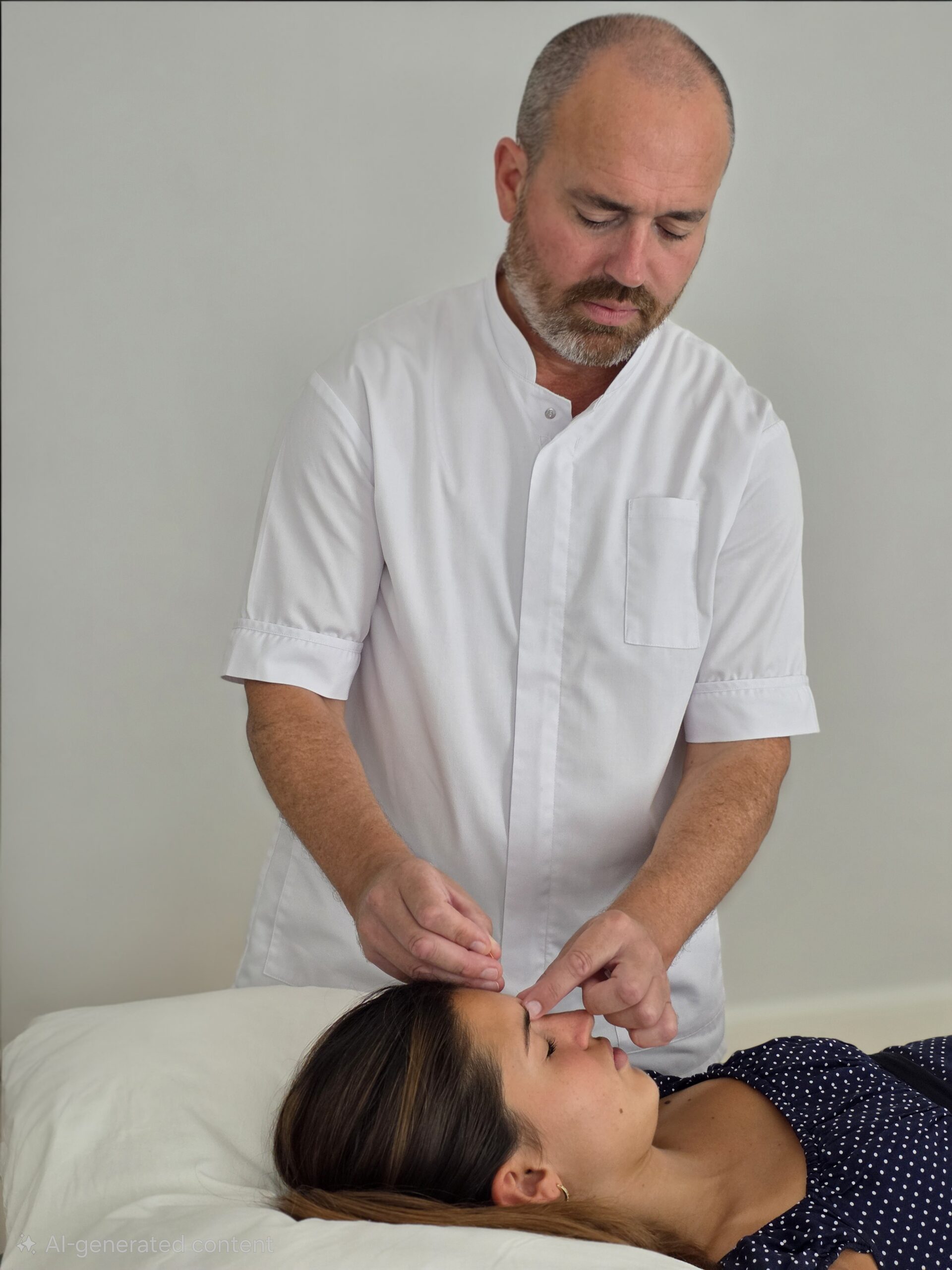
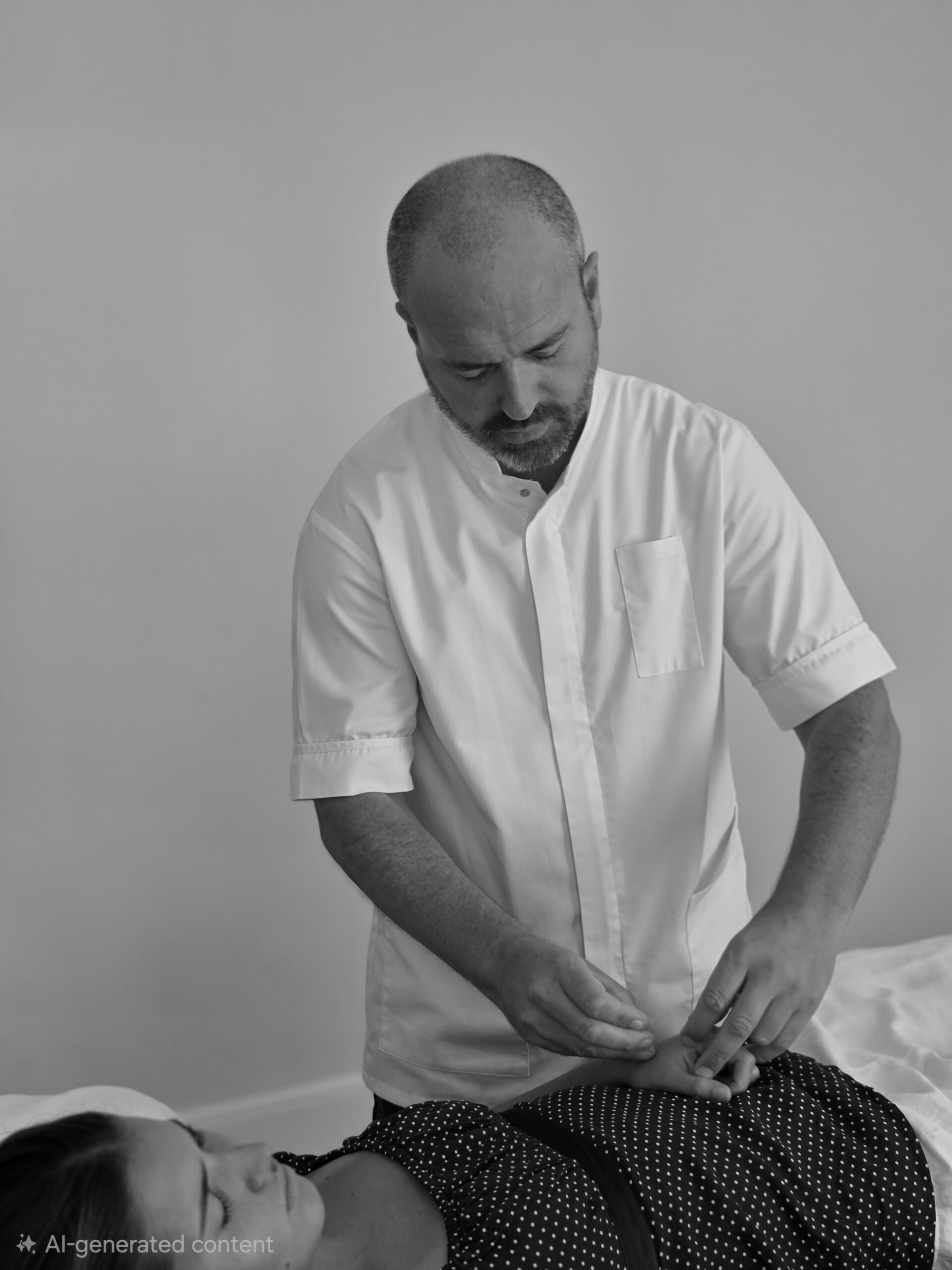
At Angelo D’Alberto Acupuncture, we provide personalised acupuncture and herbal medicine treatments to support women experiencing a wide range of health concerns. Whether you are seeking help with menstrual problems, menopausal symptoms, hormonal imbalances, or urinary health issues, treatment is tailored to your individual needs and health goals.
Our approach focuses on understanding the underlying patterns contributing to your symptoms, rather than simply addressing individual complaints in isolation.
A Holistic Approach to Women's Health
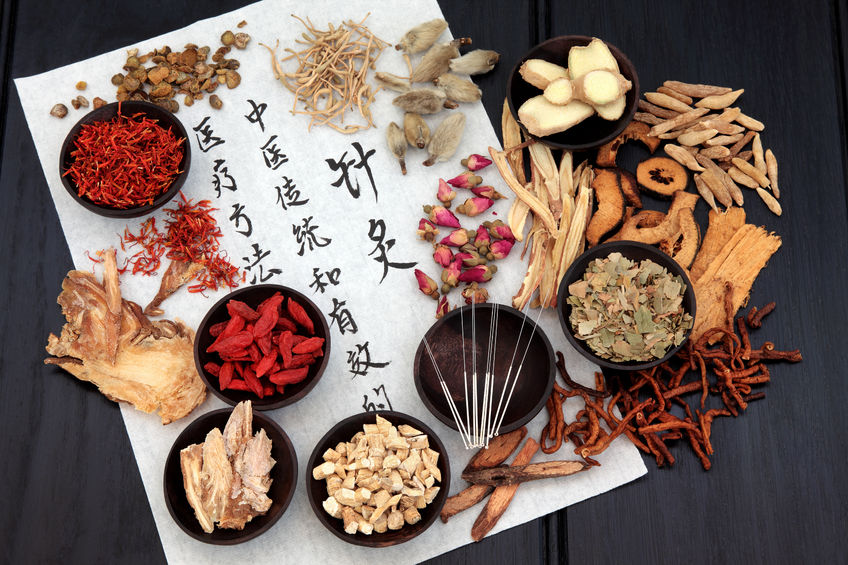
Traditional Chinese Medicine views health as a dynamic balance within the body. When that balance is disrupted, symptoms may arise that affect physical, emotional, and reproductive health.
During your consultation, we take time to understand:
●Your medical history
●Menstrual and reproductive health
●Current symptoms
●Sleep patterns
●Energy levels
●Emotional wellbeing
●Lifestyle and stress factors
●Overall health concerns
This allows us to create a personalised treatment plan designed specifically for you.
Common Women's Health Conditions
Menopausal Symptoms
Menopause is a natural transition, but for many women it can bring challenging symptoms that affect daily life and wellbeing.
Common concerns include:
●Hot flushes
●Night sweats
●Sleep disturbance
●Anxiety
●Mood changes
●Fatigue
●Brain fog
●Joint aches
●Reduced energy
Learn more about the acupuncture research for menopausal symptoms
Many women seek acupuncture as part of a holistic approach during the menopausal transition.
Treatment is tailored to your individual symptoms, health history, and stage of menopause.
Amenorrhoea (No Periods)
Amenorrhoea refers to the absence of menstrual periods and can occur for a variety of reasons.
Contributing factors may include:
●Hormonal causes (PMOS/PCOS, thyroid disorders, prolactinoma, premature ovarian insufficiency (POI)
●Extreme stress
●Excessive exercise
●Low body weight or eating disorders
●Rapid weight changes
Learn more about the acupuncture research for amenorrhoea
A detailed assessment helps us understand your individual circumstances and create a treatment strategy that supports overall hormonal and reproductive health.
Dysmenorrhoea (Painful Periods)
There are two types of dysmenorrhea:
- Primary dysmenorrhea is period pain without an underlying condition. It’s caused by high prostaglandin levels that make the uterus contract intensely, restricting blood flow and generating pain in the abdomen, lower back, and upper thighs. Cramping typically begins one to three days before a period and can last up to three days after it starts.
- Secondary dysmenorrhea is menstrual pain caused by an underlying condition such as endometriosis, uterine fibroids, adenomyosis, or pelvic inflammatory This type tends to worsen over time and typically requires targeted medical treatment in addition to pain management.
Both types can significantly impact work, education, relationships, and daily activities.
Acupuncture works for painful periods by:
- Releasing endorphins: Acupuncture stimulates the nervous system to release endorphins, which are the body’s natural pain-relief compounds.
- Improving blood flow: Increased circulation to the abdomen and pelvic region reduces the ischemia (lack of blood flow) that causes sharp cramping.
- Lowering prostaglandins: Acupuncture modulates the production of prostaglandins—the hormone-like triggers that cause the uterus to contract
- Reducing Inflammation: Acupuncture stimulates anti-inflammatory proteins to calm the uterine environment
- Relaxing uterine muscles: Acupuncture helps reduce uterine muscle tension, directly easing cramping during menstruation.
PMS and PMDD
Premenstrual Syndrome (PMS) and Premenstrual Dysphoric Disorder (PMDD) can affect both physical and emotional wellbeing during the days leading up to menstruation.
Symptoms may include:
- Mood changes
- Irritability
- Anxiety
- Depression
- Fatigue
- Breast tenderness
- Bloating
- Food cravings
- Sleep disturbance
Learn more about the acupuncture research for PMS/PMDD
Many women find that symptoms can have a significant impact on relationships, work, and daily functioning.
Treatment plans are designed to aid hormonal balance, emotional wellbeing, and menstrual health throughout the cycle.
Urinary Incontinence
Urinary incontinence is a common condition affecting women of all ages, although it is often underreported due to embarrassment or uncertainty about available support.
Symptoms may include:
- Leakage when coughing, sneezing, laughing or exercising
- Urgency to urinate
- Frequent urination
- Waking up many times at night to urinate or wetting the bed while asleep
- Constant wetness or leaking without warning
Acupuncture works for urinary incontinence by:
- Nerve Stimulation: Acupuncture on the lower back, sacrum, or ankle (targeting the tibial or sacral nerves) send signals to the spinal cord that help calm an overactive bladder and suppress involuntary muscle contractions.
- Muscle Relaxation: Research suggests acupuncture helps control neurotransmitters that relax the smooth muscle of the bladder, which can increase overall bladder
- Improved Tone: Stimulating points in the lower abdomen and pelvic region may help strengthen local support and improve urethral function.
Learn more about the acupuncture research for urinary incontinence
A personalised treatment approach considers your overall health, medical history, and lifestyle factors. Many women appreciate having the opportunity to discuss these concerns in a supportive and confidential environment.
Fibroids
Uterine fibroids are common, noncancerous growths made of muscle and connective tissue that develop in or on the wall of the uterus.
Many people with fibroids do not have any symptoms and may only discover them during a routine scan. When symptoms do happen, they depend on the size, number, and location of the growths.
Common Symptoms:
- Heavy or painful periods: Bleeding can be excessive, last a long time, or include painful cramps and blood Heavy blood loss can lead to anemia (low red blood cell count), causing tiredness, dizziness, and shortness of breath.
- Pelvic pressure and pain: A dull ache, heaviness, or pressure sensation in the lower abdomen or lower back.
- Changes in urination: A frequent or urgent need to urinate if a growth presses against the bladder.
- Bowel issues: Constipation or pain during bowel movements if pressure is put on the
- Abdominal swelling: A bloated feeling or a visibly enlarged lower stomach
- Discomfort during sex: Pain or deep discomfort during
- Pregnancy difficulties: Potential challenges with getting pregnant or carrying a pregnancy in specific cases.
Acupuncture and Chinese herbal medicine can help manage fibroids by reducing fibroid volume, alleviating pelvic pain, and regulating menstrual bleeding. Acupuncture works by:
- Reducing fibroid volume: Meta-analyses show acupuncture significantly decreases both individual fibroid volume and overall uterine size.
- Modulating hormonal pathways: It regulates the hypothalamic-pituitary-ovarian (HPO) axis. This influences hormones like GnRH to safely balance reproductive cycles without radically altering baseline oestrogen levels.
- Blocks pain signals: Stimulating specific nerve pathways triggers the release of endorphins and This actively dulls chronic pelvic pain and lower back discomfort.
- Improves pelvic blood flow: Acupuncture modifies connective tissue It increases blood flow to the pelvic cavity to resolve chronic inflammation.
What to Expect During Treatment
Your first appointment includes:
- Comprehensive consultation
- Review of your medical history
- Discussion of current symptoms
- Chinese medicine assessment
- Personalised treatment plan
- Acupuncture treatment
Follow-up sessions are adjusted according to your progress, symptoms, and health goals.
Why Choose Angelo D’Alberto?
Patients choose Angelo D’Alberto because of his personalised and compassionate approach to care as well as his 22+ years of clinical experience.
Benefits include:
- Individualised treatment plans
- Extensive experience supporting women’s health concerns
- Professional and confidential environment
- Holistic approach to wellbeing
- Convenient London and Bexley locations
- Focus on long-term health and quality of life
Frequently Asked Questions
Acupuncture is very effective at addressing many menopausal symptoms and there is positive research to show it can rapidly reduce hot flushes and night sweats.
Acupuncture is commonly used to support women experiencing a variety of menstrual concerns, including irregular cycles and painful periods. It helps by regulating hormones and increasing blood flow to the uterus and pelvic area.
Recommendations vary according to your symptoms, health history, and treatment goals.
Yes. Many women seek treatment during the years leading up to menopause when hormonal changes may begin to affect wellbeing.
Acupuncture is generally considered safe when performed by a qualified practitioner.
Book an Appointment
If you are experiencing menopausal symptoms, menstrual concerns, PMS, PMDD, amenorrhoea, urinary incontinence, or other women’s health issues, personalised acupuncture treatment may help support your wellbeing.
To arrange a consultation or discuss your health concerns, please get in touch today.